Real Estate App Development Company
Build a smarter property business with custom real estate app development services from AppCrex. We help real estate companies, property brokers, agencies, property managers, and startups build digital platforms that make it easier to discover properties, connect with buyers and sellers, manage leads, and streamline property operations.
Whether you want to launch a property listing marketplace, develop a property management application, or modernize an existing real estate platform, our team can help you plan and build a solution around your business model.
From iOS and Android applications to web-based property platforms, we focus on useful features, intuitive user experiences, secure integrations, and scalable architecture that can support your business as it grows.
Looking to build a custom real estate app? Discuss your requirements with AppCrex and explore the right development approach for your project.
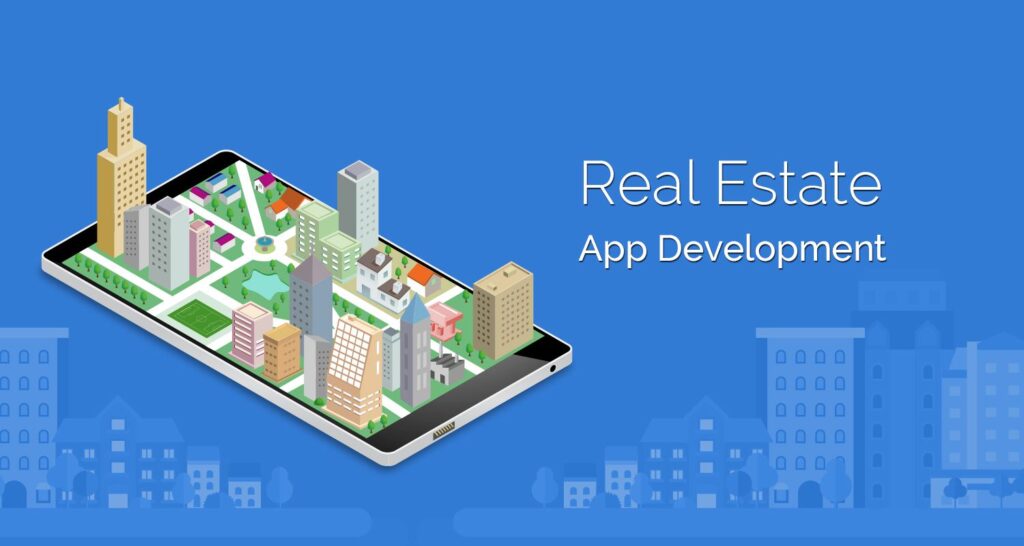
Custom Real Estate App Development Services
Every real estate business has different goals. A residential property portal may need advanced search and listing management, while a commercial real estate company may need investment analytics, document workflows, and portfolio management.
AppCrex provides real estate app development services tailored to your operations, target users, and revenue model.
Real Estate Mobile App Development
Reach property buyers, sellers, renters, and agents through mobile applications designed for everyday property searches and transactions. We develop custom iOS and Android apps with features such as property discovery, location-based search, saved listings, appointment scheduling, notifications, and in-app communication.
Depending on your requirements, we can build native applications or use cross-platform technologies to support multiple platforms through a shared codebase.
Property Listing App Development
Create a property listing platform where users can explore available homes, apartments, commercial spaces, and rental properties.
Our property listing app development services can include:
- Property listings with images, videos, prices, and descriptions.
- Advanced filters for price, location, property type, size, and amenities.
- Map-based property discovery.
- Saved searches and favorite listings.
- Agent and seller profiles.
- Property inquiry forms and viewing requests.
Real Estate Marketplace Development
Launch a marketplace that connects property owners, buyers, renters, agents, and other real estate professionals. A custom marketplace can support multiple listing providers, account types, subscription plans, featured listings, and lead-generation workflows.
We can develop the platform around your business model, whether you plan to earn through listing fees, premium subscriptions, advertising, or qualified property leads.
Property Management App Development
Simplify property operations with a digital platform for landlords, property managers, tenants, and maintenance teams.
Depending on your requirements, a property management application can include:
- Tenant onboarding and lease records.
- Rent tracking and payment integration.
- Maintenance requests and work-order management.
- Lease renewal reminders.
Real Estate CRM and Agent App Development
Real estate teams often manage inquiries across websites, calls, emails, messaging platforms, and advertising campaigns. A custom CRM can bring these activities into one workflow.
We can build features for lead capture, lead assignment, follow-up reminders, agent activity tracking, client communication, appointment scheduling, and sales pipeline reporting.
Integration with your existing CRM or marketing tools may also be possible, depending on their available APIs and access permissions.
Commercial Real Estate Software Development
Commercial property businesses often need more than basic property listings. They may require tools for office leasing, retail spaces, warehouses, industrial properties, investment opportunities, and portfolio management.
We can help develop solutions for commercial property search, availability tracking, lease information, document workflows, property comparisons, and investment reporting based on your business requirements.
Essential Features of a Real Estate App
The features you need will depend on who uses the application. A successful platform should make property discovery simple while giving administrators and agents the tools they need to manage the business.
Features for Property Buyers and Renters
The customer-facing app should help users discover suitable properties and take the next step without unnecessary friction.
Core features may include:
- User registration and profile management.
- Property search and advanced filters.
- Location-based search and interactive maps.
- Property details, photos, videos, and floor plans.
- Saved properties and favorite lists.
- Property comparisons.
- Viewing and appointment scheduling.
- Inquiry forms and agent contact options.
- Push notifications for relevant listings.
- Recently viewed properties.
- Report-listing and feedback options.
Features for Agents and Property Owners
Agents and property owners need tools to manage listings, respond to inquiries, and keep property information updated.
A dedicated dashboard can include:
- Property listing creation and editing.
- Image and document uploads.
- Listing availability and status management.
- Inquiry and lead tracking.
- Appointment management.
- Client communication history.
- Listing performance analytics.
- Verification and approval workflows.
- Subscription and featured-listing management.
Role-based permissions can help ensure that each agent or owner accesses only the information and actions relevant to their account.
Admin Panel and Business Management
The admin panel gives your team control over the platform and its daily operations.
Depending on the business model, it can support user management, listing moderation, agent verification, subscription administration, payment tracking, content management, complaint handling, analytics, and platform configuration.
A well-designed admin panel can also help identify duplicate listings, review reported content, and monitor important business metrics.
AI-Powered Real Estate App Development
Artificial intelligence can make property platforms more useful by helping users discover relevant listings and enabling teams to process information more efficiently. The right features depend on your data quality, budget, and operational needs.
AI-Based Property Recommendations
Recommendation systems can suggest properties based on a user’s preferred location, budget, property type, saved listings, and search behavior.
These recommendations should remain relevant and explainable. Users should be able to adjust their preferences rather than relying entirely on automated suggestions.
Natural Language Property Search
AI-powered search can allow users to describe what they need in everyday language, such as a two-bedroom apartment near public transport within a specified budget.
The application can translate that request into searchable property attributes, provided the underlying listing data supports those filters.
AI Chatbots for Property Inquiries
A real estate chatbot can answer common questions about property availability, amenities, viewing appointments, and listing details. It can also collect contact information and route complex inquiries to an agent.
Chatbot responses should be grounded in current property data. Pricing, availability, legal questions, and other sensitive matters may require human confirmation.
Property Valuation and Market Insights
Data-driven valuation tools can estimate property values using relevant market data, location, property characteristics, and comparable transactions where reliable data is available.
These estimates should be presented as guidance, not guaranteed valuations. Accuracy depends on the quality, coverage, and freshness of the underlying data.
Predictive Analytics for Real Estate Businesses
Analytics can help businesses identify changes in inquiry volume, listing performance, demand patterns, and lead conversion. These insights may support marketing decisions, inventory planning, and sales forecasting.
AI does not replace sound business data or professional judgment. We help assess whether an AI feature is useful for your specific application before adding unnecessary complexity.
Integrations for Real Estate Applications
A real estate app often depends on external services to deliver accurate property information and support daily workflows.
Potential integrations include:
- Maps and location services: Property maps, directions, and location-based search.
- Property data and listing feeds: MLS, IDX, or other listing sources where access, licensing, and regional rules permit.
- CRM and marketing tools: Lead synchronization, follow-up automation, and campaign tracking.
- Payment gateways: Listing fees, subscriptions, deposits, or other permitted transactions.
- Identity and verification services: User, agent, or business verification where required.
- Communication services: Email, SMS, push notifications, and supported messaging channels.
- Analytics tools: Usage tracking, conversion measurement, and performance reporting.
- Document services: Lease documents, agreements, and secure file workflows.
- Virtual tour services: 360-degree property views and supported immersive experiences.
Not every integration is available in every country or for every business. Third-party API access, licensing, data permissions, and provider charges should be reviewed during planning.
Real Estate App Development Process
AppCrex follows a structured process to help turn your requirements into a working application.
1. Business Analysis and Planning
We begin by understanding your business model, target users, competitors, operational challenges, revenue streams, and project goals.
This stage helps define the required features, platform scope, integrations, and success metrics.
2. UI/UX Design and Prototyping
Our team maps user journeys and designs the main application screens. Clickable prototypes can help you review property search, listing details, inquiry flows, dashboards, and other important interactions before development begins.
3. Technology Selection and Architecture
We select an appropriate technology stack based on your platform requirements, expected usage, integrations, security needs, and long-term maintenance plans.
The architecture should support reliable property data, appropriate access controls, and future feature expansion.
4. App and Backend Development
Developers build the mobile or web interface, backend services, databases, APIs, and administrative tools. Development can be organized into milestones so you can review progress and provide feedback.
5. Integration and Quality Testing
We test core workflows, device compatibility, performance, security controls, integrations, and error handling. Property search, listing updates, user permissions, and inquiry delivery should receive particular attention.
6. Deployment and Launch
After testing and approval, the application can be prepared for the relevant app stores or web hosting environment. Launch preparation may include production configuration, analytics, monitoring, and required store documentation.
7. Maintenance and Continuous Improvement
After launch, ongoing work may include bug fixes, compatibility updates, performance monitoring, security improvements, and new features based on real user feedback.
How Much Does Real Estate App Development Cost?
The cost of real estate app development depends on the features, number of platforms, design complexity, integrations, data requirements, and ongoing support.
A basic property listing application will generally require less work than a multi-sided marketplace with agent dashboards, subscription billing, external property feeds, and advanced AI capabilities.
Rather than relying on a generic price range, your project budget should be estimated from a defined feature list and development scope.
How to Plan Your Budget?
Start by separating essential launch features from improvements that can be introduced later.
For example, a first release might include property listings, filters, maps, favorites, inquiries, agent profiles, and an admin panel. AI recommendations, advanced analytics, and additional integrations can be evaluated for later phases.
This phased approach can help validate demand before committing to a larger platform. AppCrex can assess your requirements and prepare a project-specific estimate based on scope, technology, timeline, and integration needs.
Factors That Affect Development Cost
Application complexity: Search, listings, profiles, and inquiries are different in scope from auctions, automated workflows, investment analytics, or advanced recommendations.
Number of platforms: Building for iOS, Android, and web can increase design, development, and testing requirements.
UI/UX design: Custom user journeys, accessibility needs, interactive maps, and complex dashboards affect design effort.
Third-party integrations: Property feeds, CRM systems, payment services, identity verification, and other integrations can add development and licensing costs.
Data migration: Moving property listings, users, documents, and historical records from an existing platform requires planning and validation.
Security and compliance: Data protection, access controls, audit records, and region-specific requirements influence implementation and testing.
Maintenance and infrastructure: Hosting, monitoring, API subscriptions, data services, and ongoing improvements should be included in the total cost of ownership.
Real Estate App Development for Global Markets
Real estate businesses operate under different listing standards, privacy rules, languages, and customer expectations. Your application should reflect the market it serves.
United States
US-focused property platforms may require MLS or IDX integration, depending on the business model and applicable permissions. Data access rules, listing accuracy, privacy, and integration terms should be assessed before development.
United Kingdom
UK property platforms may need support for rental and sales listings, agent workflows, location-based search, and relevant data-protection obligations. Listing data and integrations should follow applicable permissions and provider requirements.
Canada and Australia
Property platforms serving Canada or Australia may need localized search, currency and measurement preferences, regional listing sources, and market-specific workflows. Requirements vary by province, territory, state, and data provider.
UAE and Saudi Arabia
Real estate apps for the UAE and Saudi Arabia may benefit from multilingual interfaces, location-focused search, agent management, and region-appropriate property workflows. Arabic and English support, right-to-left layouts, local payment options, and applicable real estate regulations should be considered where relevant.
Security, Scalability, and Performance
Real estate platforms may handle personal details, contact information, property documents, and transaction-related records. Security and reliability should be considered from the start.
A well-planned application may include:
- Role-based access controls and secure authentication.
- Appropriate encryption for data in transit and at rest.
- Secure API design and input validation.
- Data backup and recovery planning.
- Monitoring, logging, and error reporting.
- Performance optimization for property images, search, and maps.
- Access controls for sensitive documents.
- Appropriate retention and deletion policies.
The right safeguards depend on the type of information processed, the services integrated, and the markets in which the platform operates.
Scalability also matters. Search indexing, image delivery, caching, database design, and background processing can help the application handle increasing listings and user activity when implemented appropriately.
Why Choose AppCrex for Real Estate App Development?
Choosing a development partner involves more than writing code. You need a team that understands your business objectives and can turn them into a practical technical plan.
AppCrex can help you:
- Build around your business model: Develop a solution for property listings, rentals, marketplaces, management, or commercial real estate.
- Select suitable technologies: Evaluate native, cross-platform, and web development options based on project needs.
- Plan integrations carefully: Identify external data sources, APIs, CRM systems, and service dependencies before implementation.
- Create user-focused experiences: Design workflows for buyers, sellers, agents, tenants, and administrators.
- Prepare for future growth: Plan architecture and feature delivery around your expected scale.
- Maintain and improve the product: Identify post-launch support and enhancement needs.
Project scope, delivery timelines, and pricing should be discussed based on your actual requirements. We recommend reviewing relevant portfolio examples and confirming the proposed deliverables before starting a project.
Frequently Asked Questions
Real estate app development is the process of designing, building, testing, and maintaining applications for property search, listings, rentals, sales, property management, agent workflows, or real estate investment.
The cost depends on features, platforms, integrations, design, data requirements, and maintenance. A basic listing app has a different scope from a marketplace with property feeds, subscription payments, and AI features. A project estimate should be based on a defined requirements list.
The timeline depends on application complexity, design requirements, integrations, data migration, and testing. A focused initial release usually requires less time than a full multi-platform marketplace. The development team should establish milestones after reviewing the scope.
Common features include property listings, advanced search, filters, maps, saved properties, agent profiles, inquiry forms, appointment scheduling, notifications, and an admin dashboard. More advanced platforms may include CRM integration, virtual tours, subscription management, and AI-powered recommendations.
A custom property platform can use similar broad concepts, such as searchable listings, maps, agent profiles, saved properties, and inquiry management. However, the design, data sources, integrations, and business model should be tailored to your requirements rather than copied from another product.
Potentially, yes. Integration depends on the relevant MLS or IDX provider, access permissions, licensing, technical requirements, and applicable rules. These details should be confirmed before development begins.
Yes. Potential applications include personalized property recommendations, natural-language search, inquiry chatbots, market analytics, and data-supported valuation estimates. Each feature should be assessed against data availability, accuracy requirements, and business value.
Native development may suit projects that require platform-specific capabilities or highly tailored experiences. Cross-platform development may help share code between iOS and Android. The best option depends on performance needs, available budget, integrations, and long-term maintenance.
Yes. A property management solution can include tenant records, lease tracking, maintenance requests, rent records, document management, notifications, and reporting. Features should reflect the workflows of landlords, tenants, and property managers.
Possible models include paid listings, agent subscriptions, featured property placements, advertising, qualified-lead fees, and selected transaction-related services. The appropriate model depends on the target market, platform policies, and the value offered to users.
An existing application can be assessed for UI/UX improvements, performance issues, outdated technology, missing integrations, security concerns, and new feature requirements. The best modernization approach depends on the current codebase and technical condition.
Maintenance can be planned around your application’s needs and agreed service scope. It may include bug fixes, compatibility updates, monitoring, security improvements, and new feature development.
Build Your Real Estate App with AppCrex
A well-designed real estate application can make property discovery easier, improve lead management, and give your business a more organized digital platform.
Whether you are launching a property marketplace, creating a rental app, building a real estate CRM, or modernizing an existing solution, AppCrex can help you define the requirements and choose an appropriate development approach.
Ready to discuss your real estate app idea? Contact AppCrex to review your goals, essential features, integrations, and development budget.