Healthcare Has Entered the Digital Era
There was a time when healthcare meant one thing:
Travel to a clinic.
Wait for your turn.
Spend time in queues.
Then finally I met the doctor.
Today, expectations are different.
Patients want healthcare that fits into their lives – not the other way around.
They want to book appointments online.
Consult doctors from home.
Access reports instantly.
Receive reminders on time.
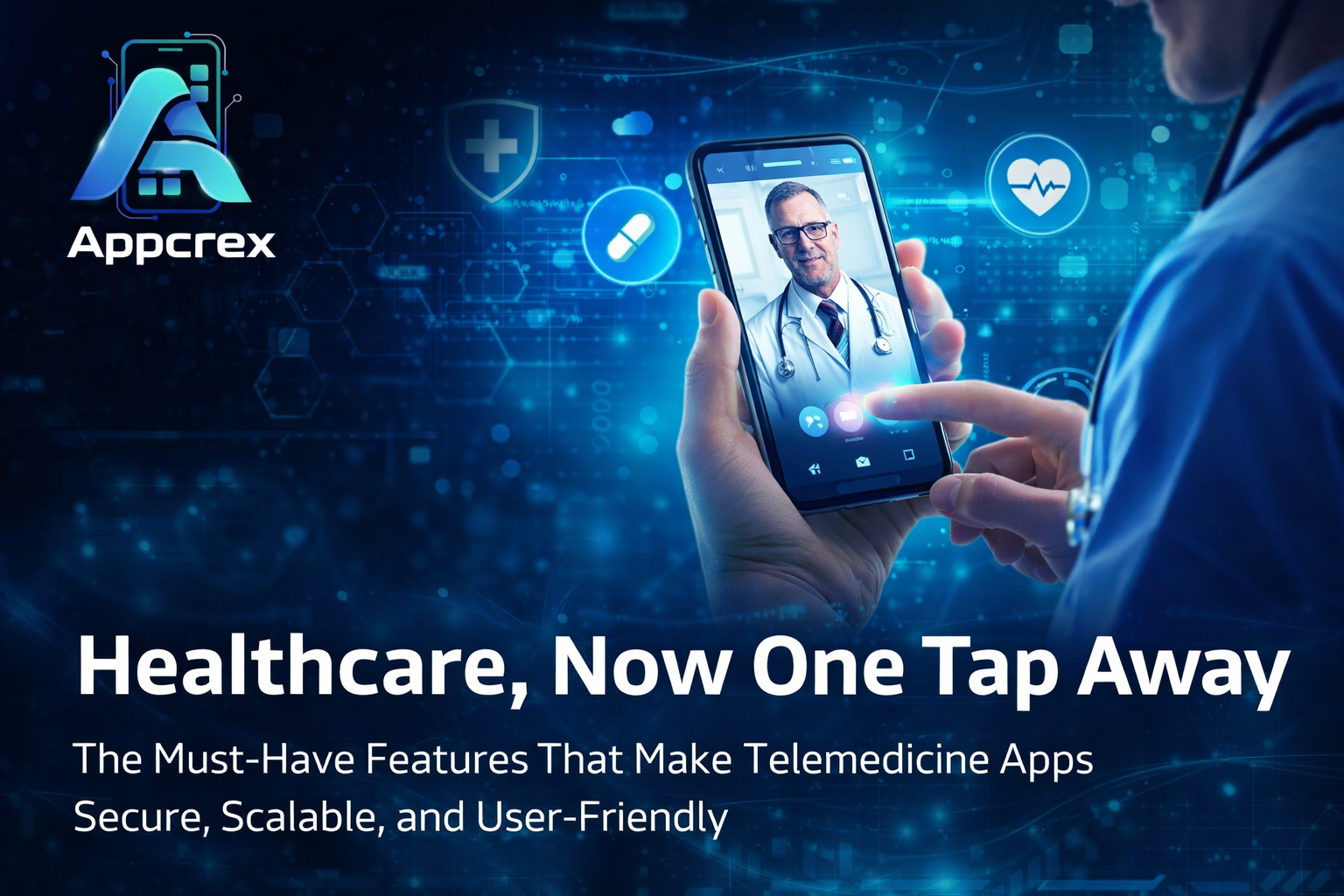
This shift has made telemedicine and healthcare apps one of the fastest-growing digital solutions in the world.
But building a healthcare app is not like building any ordinary app.
People trust these platforms with something personal and important:
Their health.
That means your app must do more than look good.
It must feel safe, simple, reliable, and human.
Why Telemedicine Apps Matter More Than Ever
Modern life is busy.
People often delay medical care because of:
- Lack of time
- Distance from clinics
- Long waiting times
- Difficulty booking appointments
- Limited specialist access
Telemedicine solves these problems by bringing healthcare directly to users.
With the right app, patients can:
- Consult doctors remotely
- Manage prescriptions
- Track health records
- Receive follow-up care
For healthcare businesses, it opens new opportunities to grow while improving patient care.
What Makes a Healthcare App Successful?
Many apps launch. Few truly succeed.
The difference is not just technology.
It’s an experience.
A successful healthcare app must balance:
- Trust
- Ease of use
- Security
- Speed
- Accessibility
Because patients don’t want complexity when dealing with health concerns.
They want reassurance.
Essential Features Every Telemedicine App Needs
Let’s explore the features that truly matter.
1. Easy User Registration and Secure Login
First impressions matter.
If onboarding feels confusing, users may leave before using the app.
A strong healthcare app should offer:
- Simple sign-up process
- OTP login
- Email login
- Social sign-in options
- Secure password system
At the same time, patient information must remain protected.
Easy access + strong security = trust.
2. Doctor Profiles and Specialization Details
Patients want confidence before booking a consultation.
Detailed doctor profiles should include:
- Name and qualifications
- Experience
- Specializations
- Consultation timings
- Languages spoken
- Ratings or reviews
This helps users make informed choices and feel comfortable.
3. Smart Appointment Booking
One of the biggest frustrations in healthcare is scheduling.
A great app removes friction.
Patients should be able to:
- Choose doctor
- Select date and time
- Reschedule easily
- Cancel if needed
- Receive confirmation instantly
Convenience creates satisfaction.
4. Video Consultation Integration
Telemedicine is built around virtual care.
Reliable video consultation features are essential.
The experience should be:
- High quality
- Stable connection
- Private and encrypted
- Easy to join with one tap
If the video feels difficult, trust drops immediately.
5. In-App Chat and Messaging
Not every health question needs a video call.
Sometimes users need:
- Quick follow-up questions
- Prescription clarification
- Simple guidance
- Report discussion
Secure chat adds flexibility and improves communication.
6. Digital Prescription Management
After consultation, users expect convenience.
Apps should allow doctors to send:
- E-prescriptions
- Medicine instructions
- Refill reminders
Patients should be able to access prescriptions anytime.
This improves continuity of care.
7. Health Records and Reports Storage
Users often struggle with scattered medical documents.
A strong healthcare app gives them one secure place to store:
- Prescriptions
- Test reports
- Medical history
- Vaccination records
Easy access saves time during future consultations.
8. Secure Payment Gateway
For paid consultations, payments should be seamless.
Users expect:
- Card payments
- UPI payments
- Wallet support
- Secure checkout
- Instant invoices
Complicated payment systems reduce bookings.
9. Notifications and Reminders
Healthcare depends on consistency.
Apps should send helpful reminders for:
- Upcoming appointments
- Medication times
- Follow-up consultations
- Health checkups
- Report availability
These reminders improve user retention and health outcomes.
10. Multi-Language Support
Healthcare should feel accessible.
Many users prefer using apps in their native language.
Offering multilingual support expands your audience and improves comfort.
11. Emergency Contact Features
In urgent situations, speed matters.
Helpful features include:
- Emergency helpline button
- Quick contact access
- Nearby clinic locator
- Ambulance integration (if applicable)
These features create real value.
12. AI-Powered Symptom Checker (Advanced Feature)
Modern healthcare apps are becoming smarter.
AI tools can help users:
- Understand symptoms
- Get care suggestions
- Book relevant specialists faster
While not replacing doctors, these tools improve user experience.
13. Admin Dashboard for Providers
Healthcare businesses need control behind the scenes.
An admin panel helps manage:
- Appointments
- Doctors
- Payments
- Reports
- Analytics
- User support
Good backend systems keep operations smooth.
Why Security Is Non-Negotiable
Healthcare data is sensitive.
Patients trust your platform with personal information.
That’s why strong security must include:
- Encrypted data storage
- Secure login systems
- Role-based access
- Compliance readiness
- Regular updates
Security is not just technical.
It protects trust.
User Experience Is Everything
When users feel unwell, stressed, or anxious, they don’t want confusing technology.
Your app should feel:
- Calm
- Clear
- Fast
- Easy to use
The best healthcare apps reduce stress, not add to it.
Common Mistakes to Avoid
Many healthcare apps fail because they:
- Overcomplicate the interface
- Ignore privacy
- Use poor video systems
- Make booking difficult
- Offer slow support
Healthcare users leave quickly when trust is broken.
How Appcrex Builds Healthcare Apps That Users Trust
At Appcrex, healthcare development goes beyond coding.
The focus is on creating digital healthcare experiences that are:
- Secure
- Scalable
- Easy to use
- Future-ready
- Patient-centered
From telemedicine startups to healthcare providers, solutions are built for real-world growth.
The Future of Telemedicine Apps
Healthcare technology will continue evolving with:
- AI-assisted diagnosis tools
- Wearable integration
- Remote monitoring
- Personalized care dashboards
- Faster digital consultations
Businesses investing now will lead tomorrow.
Conclusion:
Great Healthcare Apps Build More Than Convenience
Telemedicine apps are not just about saving time.
They improve access, simplify care, and create stronger patient relationships.
The most successful healthcare apps combine:
- Technology
- Trust
- Simplicity
- Security
Because when it comes to healthcare, users don’t just need features.
They need confidence.
Planning to Build a Telemedicine or Healthcare App?
Partner with Appcrex to create secure, scalable, and user-friendly healthcare solutions that patients trust and businesses can grow with.
Let’s build the future of healthcare together.
FAQ
1. Why are telemedicine apps in demand?
They offer convenient healthcare access, faster consultations, and better patient experience.
2. What is the most important feature in a healthcare app?
Security and ease of use are the most critical features.
3. Can small clinics benefit from telemedicine apps?
Yes. They can expand reach, improve bookings, and offer remote consultations.
4. Are healthcare apps scalable?
Yes, when built with the right architecture and future-ready systems.
5. How can Appcrex help?
Appcrex builds custom healthcare and telemedicine apps tailored to business and patient needs.