Web App Development Company:
Custom Web Application Development Services
Build secure, scalable, and high-performance web applications tailored to your business requirements with AppCrex. We provide custom web app development services for startups, growing businesses, and enterprises looking to automate operations, improve customer experiences, and build scalable digital products.
From SaaS platforms and customer portals to business dashboards, marketplaces, enterprise applications, and custom software solutions, our web app developers create applications around your specific workflows and objectives.
Custom Web App Development Services
A web application should do more than simply work in a browser. It should solve a specific business problem, integrate with your existing systems, and remain flexible as your business grows.
Our web app development services cover the complete development lifecycle, from product planning and UI/UX design to development, integrations, testing, deployment, and ongoing support.
Custom Web Application Development
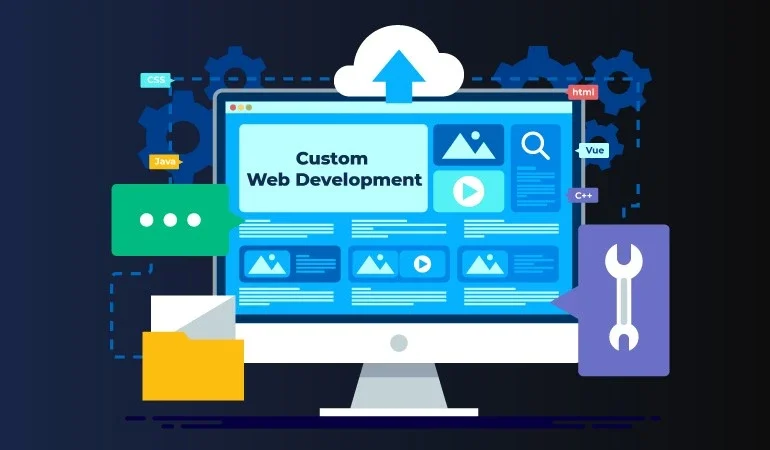
We develop custom web applications based on your business processes instead of forcing your requirements into an off-the-shelf platform.
Custom web applications can be designed for:
- Customer management
- Business automation
- Internal operations
- Online services
- Data management
- Workflow automation
- Digital marketplaces
- Subscription businesses
- Enterprise operations
SaaS Web Application Development
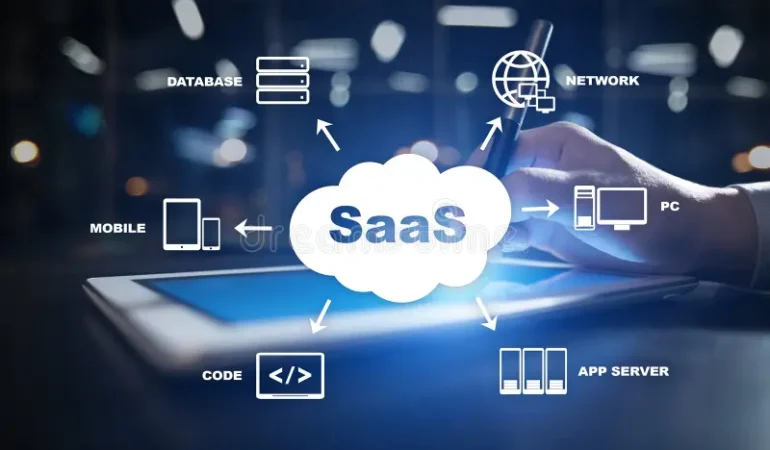
If you are planning a software-as-a-service product, we can build a scalable SaaS web application with features such as:
- User registration
- Subscription management
- Multiple pricing plans
- Role-based access
- Payment integration
- Admin dashboard
- Usage tracking
- Analytics
- Notifications
- API integrations
A SaaS architecture can also support multi-tenant applications where multiple businesses or customer accounts use the same platform with appropriately isolated data.
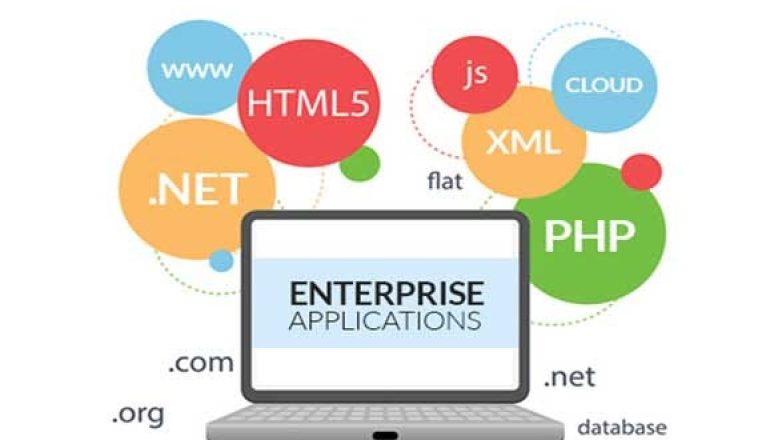
Enterprise Web Application Development
Enterprise businesses often require applications that connect multiple departments and systems.
We build enterprise web applications for workflows such as:
- Employee management
- Business operations
- Customer management
- Reporting
- Procurement
- Inventory
- Finance workflows
- Project management
- Data analytics
The architecture can be designed around security, scalability, user roles, integrations, and the organization’s existing technology environment.
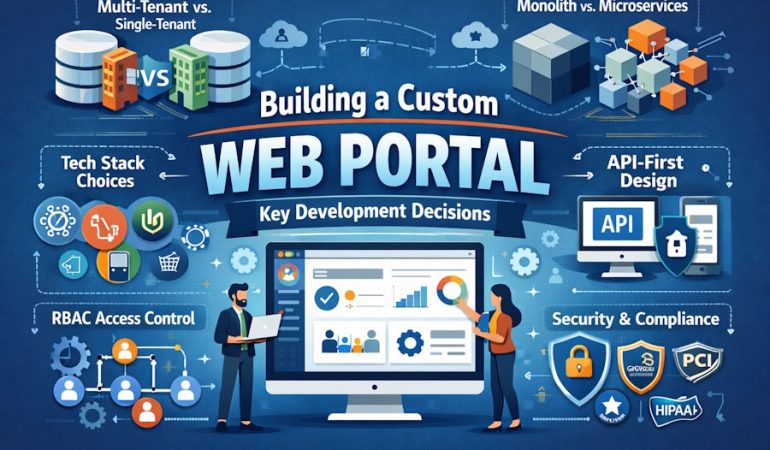
Web Portal Development
We develop custom portals for different types of users.
Examples include:
- Customer portals
- Employee portals
- Vendor portals
- Partner portals
- Education portals
- Healthcare portals
- Business portals
Each portal can provide role-specific dashboards and functionality.

E-commerce Web Application Development
Businesses can build custom e-commerce applications when standard platforms do not provide the required functionality.
Potential capabilities include:
- Product management
- Customer accounts
- Shopping cart
- Checkout
- Payment integration
- Order management
- Inventory
- Promotions
- Reviews
- Vendor management
- Analytics

Marketplace Web Application Development
A marketplace application can connect buyers and sellers through a centralized platform.
Depending on the business model, the application can include:
- Seller registration
- Product/service listings
- Search and filters
- Buyer accounts
- Messaging
- Payments
- Commission management
- Reviews
- Vendor dashboards
- Admin controls
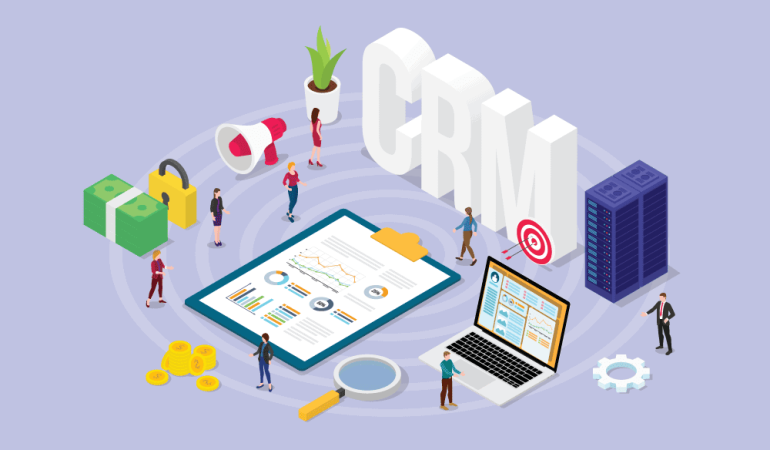
CRM Web Application Development
Custom CRM applications can help businesses manage:
- Leads
- Customers
- Sales pipelines
- Follow-ups
- Communication
- Sales teams
- Reports
- Customer activity
A custom CRM can also integrate with email, communication platforms, marketing tools, payment systems, and other business software.
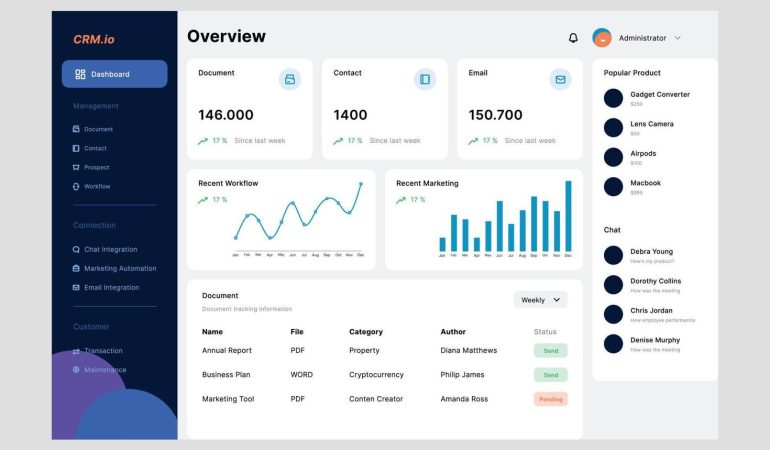
Business Dashboard Development
We build data-driven dashboards that bring important business information into one interface.
Dashboards can display:
- Sales
- Revenue
- Customer activity
- Operations
- Inventory
- Marketing performance
- Financial information
- Key performance indicators
Interactive charts, filters, reports, and role-based access can make business data easier to monitor.
What Is Web App Development?
Web app development is the process of designing and building interactive software that users access through a web browser.
Unlike a traditional informational website, a web application allows users to perform actions and interact with business systems.
For example, a website might provide information about a company, while a web application could allow users to:
- Create an account
- Submit information
- Make payments
- Manage orders
- Track services
- Upload documents
- Communicate with other users
- View personalized dashboards
- Manage business operations
A web application can therefore function as a complete digital product rather than simply an online presence.
Web Application vs Website
The two terms are sometimes confused, but their purpose is different.
Website | Web Application |
Primarily provides information | Provides interactive functionality |
Often public-facing | Can be public or private |
Content-focused | Workflow and functionality-focused |
Usually simpler user interaction | More complex user interaction |
Example: company website | Example: CRM or SaaS platform |
Many modern businesses use both. A company website can attract visitors, while a web application provides the actual product or service experience.
Types of Web Applications We Develop
The right type of web application depends on your business model.
Customer-Facing Applications
These applications allow customers to access services, manage accounts, place orders, make payments, and communicate with businesses.
Internal Business Applications
Internal applications can automate company workflows and provide employees with centralized tools.
SaaS Platforms
SaaS products provide software through the internet, generally using subscription or usage-based models.
Marketplace Platforms
Marketplace applications connect multiple groups, such as buyers and sellers, customers and service providers, or businesses and vendors.
Management Systems
Custom management systems can help businesses manage employees, inventory, projects, customers, finances, and operations.
Data and Analytics Applications
These applications transform business data into dashboards, reports, analytics, and actionable insights.
Key Features of a Modern Web Application
The feature set depends on the product, but a scalable web application may include the following.
User Registration and Authentication
Users can register and securely access their accounts using:
- Phone number
- Password
- OTP
- Social authentication
- Multi-factor authentication
User Dashboard
A personalized dashboard gives users quick access to relevant information and actions.
Role-Based Access
Different users can receive different permissions.
For example:
Admin → Manager → Employee → Customer
Each role can access only the functions relevant to it.
Search and Filtering
For applications with large amounts of information, advanced search and filtering can improve usability.
Payment Integration
Applications that sell products or services can integrate supported payment gateways.
Notifications
Web applications can provide notifications for:
- New orders
- Payments
- Messages
- Account activity
- Status changes
- Important updates
Analytics and Reporting
Businesses can use reports and dashboards to monitor performance and user activity.
API Integration
APIs allow a web application to communicate with external services and existing business systems.
AI-Powered Web Application Development
AI can be integrated into web applications when it provides a meaningful business benefit.
Potential use cases include:
AI Chatbots
An AI assistant can answer common customer questions and route complex queries to human support.
AI Recommendations
Recommendation engines can suggest products, services, content, or actions based on available data and user preferences.
Intelligent Search
AI-powered search can understand natural-language queries rather than relying only on exact keywords.
Document Processing
AI can extract information from supported documents and automate repetitive data-entry workflows.
Predictive Analytics
Machine learning models can analyze historical information to identify patterns and support forecasting.
AI Business Automation
AI can automate selected repetitive workflows, such as classification, summarization, notifications, and information processing.
Web Application Technology Stack
The technology stack depends on the application’s requirements, scale, security needs, integrations, and development strategy.
| Layer | Technologies |
|---|---|
|
Frontend |
React, Next.js, Angular, Vue.js
|
|
Backend
|
Node.js, Python, Java, .NET, PHP |
|
Database |
PostgreSQL, MySQL, MongoDB |
|
APIs |
REST, GraphQL |
|
Cloud |
AWS, Microsoft Azure, Google Cloud |
|
DevOps
|
Docker, Kubernetes, CI/CD |
|
AI/ML
|
Python, TensorFlow, PyTorch
|
|
Authentication |
OAuth, OpenID Connect, JWT |
|
Analytics
|
Custom dashboards, BI platforms, cloud analytics
|
For some projects, a different stack may be more appropriate. Technology decisions should follow the product requirements rather than a fixed list of tools.
How We Develop Web Applications
A structured development process helps reduce technical risks and keeps the project aligned with business objectives.
1. Requirement Discovery
We begin by understanding:
- Business goals
- Target users
- Existing systems
- Required workflows
- Core features
- Integrations
- Security requirements
- Scalability expectations
2. Product Planning
The requirements are converted into a technical and product roadmap.
This stage may include:
- Feature prioritization
- MVP planning
- User flows
- Technical architecture
- API planning
- Database planning
3. UI/UX Design
The design process focuses on creating a clear experience for different user types.
We create:
- User flows
- Wireframes
- UI designs
- Interactive prototypes
- Responsive layouts
4. Frontend Development
The frontend is developed around the approved designs and user workflows.
The application can be optimized for:
- Desktop
- Laptop
- Tablet
- Mobile browsers
5. Backend Development
The backend handles core application logic, data, authentication, APIs, integrations, and business workflows.
6. API & Third-Party Integrations
We can integrate external systems such as:
- Payment gateways
- CRM platforms
- ERP systems
- Maps
- Communication tools
- Analytics
- Cloud services
- AI services
- Business APIs
7. Testing
Testing can include:
- Functional testing
- API testing
- Security testing
- Performance testing
- Browser testing
- Responsive testing
- Usability testing
8. Deployment
After testing and approval, the application is deployed to the selected cloud or server infrastructure.
9. Maintenance & Optimization
After launch, ongoing support can include:
- Bug fixes
- Security updates
- Performance optimization
- Feature enhancements
- API updates
- Infrastructure monitoring
Benefits of Custom Web Application Development
Built Around Your Business
Instead of changing your workflow to fit a generic product, a custom application can be designed around your actual processes.
Scalable Architecture
The application can be planned to support future users, features, integrations, and business growth.
Better Integration
Custom applications can connect with existing business systems through APIs.
Improved Automation
Manual processes can be converted into digital workflows.
Better Data Visibility
Centralized dashboards can provide teams with better access to operational information.
Flexible User Experience
The interface can be designed specifically for your customers, employees, vendors, or other users.
Industries We Serve
Custom web applications can be developed for a wide range of industries, including:

Healthcare
Patient portals, clinic management systems, telehealth platforms, healthcare dashboards, and medical workflow applications.

Education
Learning platforms, student portals, teacher dashboards, examination systems, and education management applications.

FinTech
Financial dashboards, payment platforms, investment applications, lending systems, and financial management software.

Retail & E-commerce
E-commerce platforms, marketplaces, inventory systems, customer portals, and order management solutions.

Logistics
Fleet management, shipment tracking, dispatch systems, logistics dashboards, and delivery management platforms.

Travel & Hospitality
Booking platforms, hotel management systems, travel portals, reservation systems, and customer dashboards.

Real Estate
Property portals, property management systems, CRM platforms, agent dashboards, and real estate marketplaces.

Enterprise
Internal business applications, workflow automation systems, reporting platforms, CRM, ERP integrations, and employee portals.
Web App Development for Startups
Startups often need to launch quickly while keeping the initial investment under control.
For this type of project, we recommend defining an MVP around the features required to validate the business model.
An MVP can include:
- Core user registration
- Primary business workflow
- Essential dashboard
- Basic administration
- Required integrations
- Analytics
- Security controls
Additional functionality can then be added based on customer feedback and business growth.
Web App Development for Enterprises
Enterprise applications usually require a different approach because they may involve multiple departments, complex permissions, large datasets, legacy systems, and extensive integrations.
Enterprise web applications can be designed with:
- Role-based access
- SSO
- Advanced security
- Audit logs
- Workflow automation
- API integrations
- Analytics
- Scalable cloud infrastructure
- Multi-level administration
Web Application Security
Security should be considered throughout the development lifecycle.
Important areas include:
- Secure authentication
- Authorization
- Encryption
- Input validation
- API security
- Access controls
- Secure database practices
- Activity logging
- Backup and recovery
- Security testing
The exact security architecture depends on the type of data and industry involved.
Applications handling financial, healthcare, identity, or other sensitive information may require additional security and compliance controls.
Responsive Web Application Development
A modern web application should provide a consistent experience across different screen sizes.
Responsive development allows users to access the application through:
- Desktop computers
- Laptops
- Tablets
- Smartphones
However, responsive design is not simply about making desktop screens smaller. User interactions, navigation, forms, dashboards, and workflows should also be adapted for smaller screens.
Web App Development Cost
The cost of developing a web application depends on its complexity, number of features, design requirements, integrations, backend architecture, security, and development team.
A general planning range is:
| Web Application Type | Estimated Cost |
|---|---|
|
Basic Custom Web App |
$15,000–$30,000 |
|
Medium Web Application |
$30,000–$60,000
|
|
Advanced Web Application |
$60,000–$120,000+
|
|
Enterprise Web Application |
$120,000+ |
These figures are indicative rather than fixed quotations.
Factors That Affect Web App Development Cost
Feature complexity
More workflows and user roles require additional development.
UI/UX
A highly customized interface can increase design and development effort.
Backend architecture
Complex business logic and high-volume applications require more engineering.
Integrations
Third-party APIs and existing business systems can increase development time.
Security
Applications handling sensitive data may require additional security measures and testing.
AI
AI assistants, recommendation systems, predictive analytics, and automation can add technical complexity.
Platforms and infrastructure
Cloud architecture, deployment, monitoring, and scalability also influence the overall project.
How Long Does It Take to Build a Web Application?
The development timeline depends on the scope.
A basic custom web application may take around 3–5 months, while medium and advanced applications can require 5–9 months or longer.
A typical project can include:
- Discovery and planning: 2–4 weeks
- UI/UX design: 3–6 weeks
- Frontend development: 6–12 weeks
- Backend development: 8–16 weeks
- Integrations: 3–10 weeks
- Testing: 3–6 weeks
- Deployment: 1–2 weeks
Several activities can run simultaneously, so the actual timeline depends on the team size and project methodology.
Why Choose AppCrex for Web App Development?
Choosing the right development partner is important because the technology behind a web application can directly affect its scalability, security, and maintenance.
AppCrex provides:
Custom Development
We build applications around your business requirements instead of forcing your processes into a generic solution.
Full-Cycle Development
Our services can cover planning, UI/UX, frontend, backend, APIs, testing, deployment, and ongoing support.
Scalable Architecture
Applications can be designed with future growth, integrations, and feature expansion in mind.
Modern Technology
We work with modern frontend, backend, cloud, API, and AI technologies based on project requirements.
Industry-Specific Solutions
Our team can develop applications for industries including FinTech, healthcare, education, logistics, retail, real estate, travel, and enterprise businesses.
AI Integration
Where appropriate, AI can be incorporated into applications for automation, search, recommendations, analytics, support, and other workflows.
FAQs About Web App Development
A web app development company designs and develops browser-based software for businesses. Services can include planning, UI/UX design, frontend development, backend development, API integration, testing, deployment, and maintenance.
A basic custom web application may cost around $15,000–$30,000, while advanced and enterprise applications can cost $60,000–$120,000+ depending on requirements.
A basic web application can take approximately 3–5 months. More complex applications may require 5–9 months or longer.
Yes. A SaaS web application can include subscriptions, user accounts, multi-tenant architecture, payment integration, dashboards, analytics, and role-based access.
Yes. Web applications can integrate with CRM, ERP, payment, accounting, communication, analytics, AI, and other business systems through APIs or supported integration methods.
Yes. Depending on the use case, AI can be used for chatbots, intelligent search, recommendations, document processing, predictive analytics, content processing, and business automation.
It depends on the product. A web application can be a good choice when users need browser-based access across devices, while a mobile application may be more suitable when deep device capabilities, mobile-specific experiences, or app-store distribution are important. Some businesses ultimately use both.
Yes. A web application can be designed with scalable architecture, cloud infrastructure, caching, database optimization, load balancing, and other techniques according to expected usage.
Build Your Custom Web Application with AppCrex
Have a web application idea or an existing business process that you want to digitize?
AppCrex provides custom web app development services for startups, businesses, and enterprises. From SaaS platforms and customer portals to enterprise applications, marketplaces, dashboards, and AI-powered web solutions, we can help you plan, design, develop, integrate, and scale your web application.
Talk to AppCrex about your web application project and get a solution designed around your business requirements.