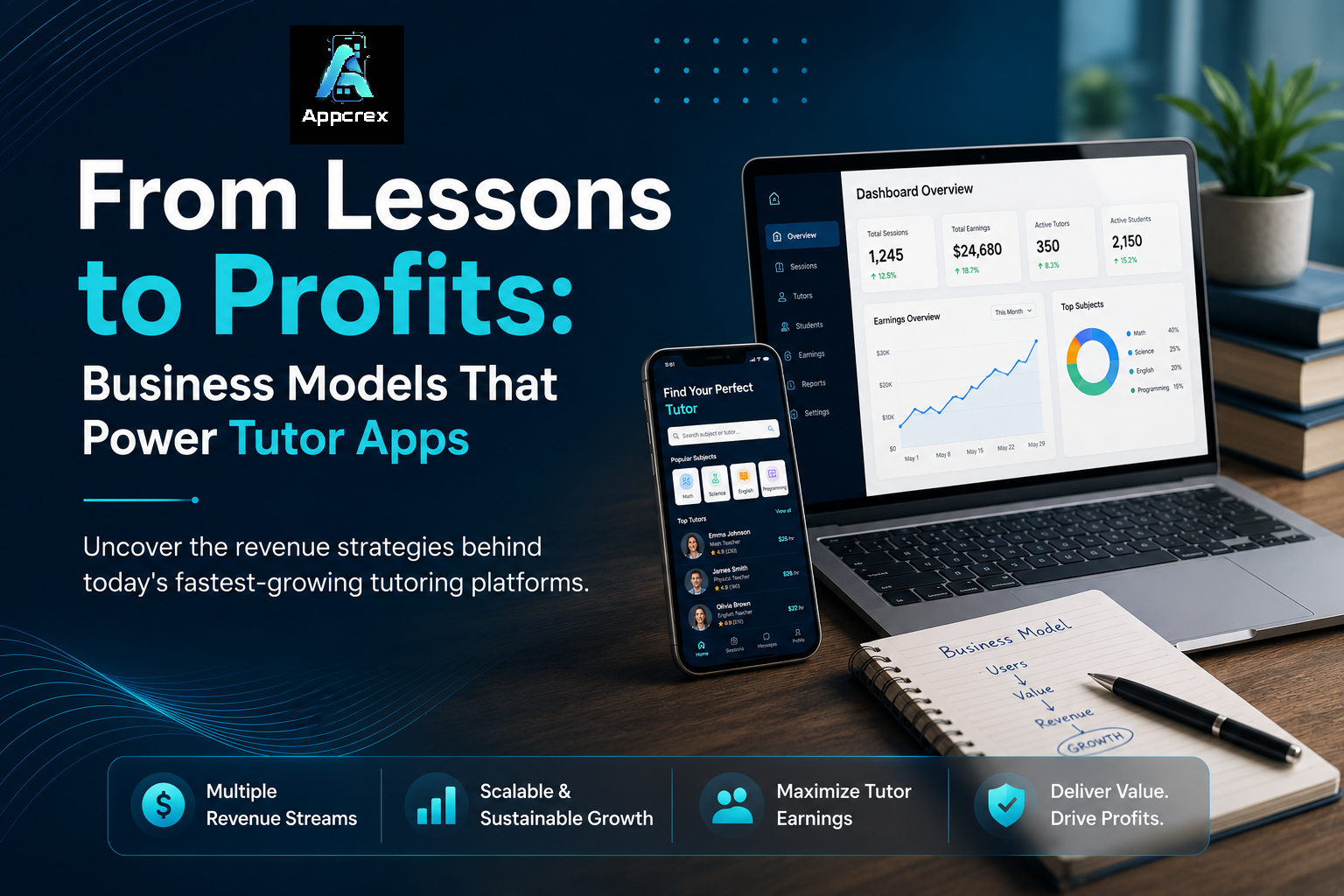
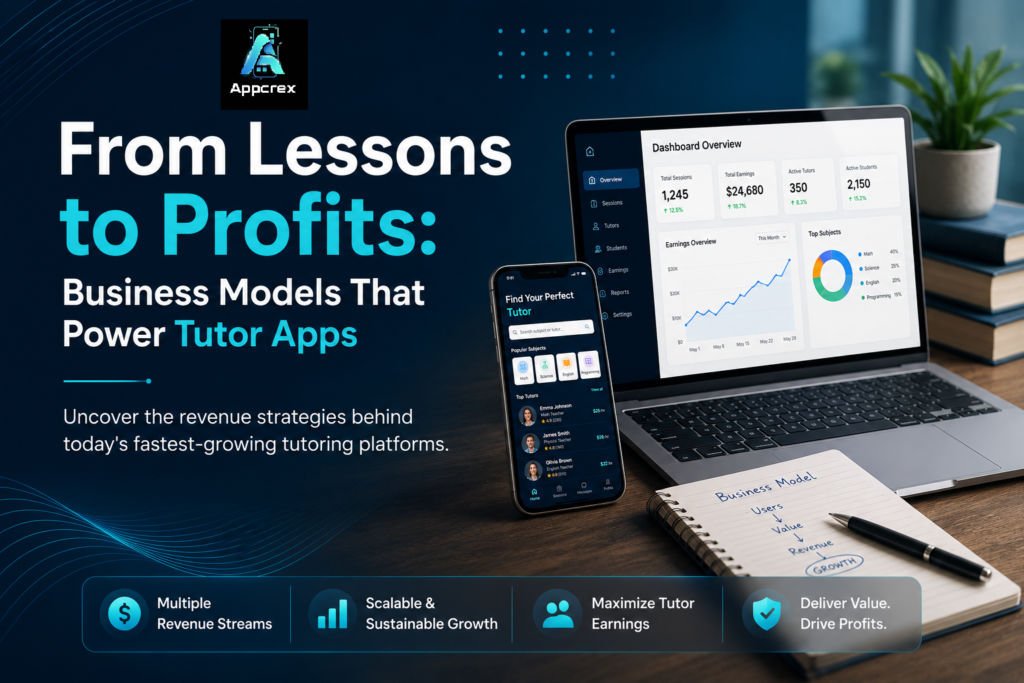
The online education industry continues to evolve as learners seek flexible, personalized, and accessible learning experiences. Tutor apps have become one of the most successful segments within educational technology, connecting students with qualified educators anytime and anywhere. However, launching a tutor app is only half the challenge. Choosing the right business model is what determines long term growth, profitability, and user retention.
For entrepreneurs, startups, educational institutions, and EdTech companies, understanding the most effective tutor app business models is essential before investing in development. The right monetization strategy can create sustainable revenue while delivering value to both students and tutors.
In this guide, we’ll explore the most successful business models for tutor apps, their advantages, challenges, and how to choose the best one for your educational platform.
Why the Business Model Matters for Tutor Apps
A tutor app serves multiple stakeholders, including students, tutors, parents, and educational organizations. Each group has different expectations and needs. A strong business model aligns these interests while generating consistent revenue.
An effective business model helps:
- Create predictable income streams
- Attract high quality tutors
- Improve user retention
- Increase scalability
- Support future growth and expansion
- Build a competitive advantage in the EdTech market
Without a clear monetization strategy, even a feature rich tutor app may struggle to achieve profitability.
Understanding the Modern Tutor App Market
Today’s learners expect more than simple video lessons. Modern tutor apps offer:
- One on one tutoring sessions
- Group learning experiences
- AI assisted learning support
- Personalized study plans
- Interactive assessments
- Progress tracking and analytics
- On demand tutoring services
As educational technology advances, business models must adapt to changing user expectations and learning behaviors.
1. Commission Based Marketplace Model
One of the most popular tutor app business models is the marketplace approach. In this model, tutors create profiles, students book sessions, and the platform earns a commission from every completed lesson.
How It Works
- Tutors register on the platform
- Students search and select tutors
- Sessions are booked and completed
- The platform deducts a percentage from each transaction
Benefits
- Low entry barrier for students
- Continuous revenue generation
- Easy scalability
- Large tutor network attracts more learners
Challenges
- Requires a significant user base
- Tutor acquisition can be competitive
- Revenue depends on transaction volume
Best For
- Educational marketplaces
- Multi subject tutoring platforms
- Startups entering the EdTech industry
Many successful tutoring platforms rely heavily on commission based revenue because it aligns platform growth with user activity.
2. Subscription Based Model
Subscription models provide users with ongoing access to tutoring services or educational resources in exchange for recurring payments.
How It Works
Students pay monthly or annual fees for access to:
- Live tutoring sessions
- Learning resources
- Study materials
- Practice exercises
- Premium support
Benefits
- Predictable recurring revenue
- Improved customer retention
- Easier financial forecasting
- Encourages long term engagement
Challenges
- Requires consistent content quality
- Users may cancel if value decreases
- Ongoing platform maintenance is necessary
Best For
- Learning membership platforms
- Academic support services
- Exam preparation applications
Subscription models have gained popularity because learners increasingly prefer affordable monthly access over large one time payments.
3. Freemium Business Model
The freemium approach allows users to access basic features for free while charging for premium functionality.
Typical Free Features
- Tutor browsing
- Basic learning resources
- Limited chat support
- Introductory lessons
Premium Features
- Unlimited tutoring sessions
- Advanced analytics
- Personalized learning plans
- Priority tutor matching
Benefits
- Rapid user acquisition
- Lower barriers to entry
- High conversion potential
Challenges
- Requires a large user base
- Balancing free and paid features can be difficult
- Conversion rates vary significantly
Best For
- New tutor apps
- Growth focused startups
- Platforms targeting mass audiences
The freemium model works particularly well when combined with strong personalization features that encourage upgrades.
4. Pay Per Session Model
This straightforward model charges students only when they book individual tutoring sessions.
How It Works
- Students browse tutors
- Sessions are booked as needed
- Payment occurs before or after lessons
Benefits
- Flexible for users
- Easy to understand
- Attractive to occasional learners
Challenges
- Revenue can fluctuate
- Lower user commitment
- Harder to predict monthly earnings
Best For
- Specialized tutoring
- Language learning platforms
- Professional skill development
Many learners appreciate the flexibility of paying only when they need academic assistance.
5. Package Based Learning Model
Instead of charging per session, tutor apps can offer lesson bundles or learning packages.
Examples
- 10 lesson mathematics package
- SAT preparation package
- Language fluency course package
- Coding bootcamp package
Benefits
- Higher upfront revenue
- Better student commitment
- Improved learning outcomes
Challenges
- Requires clear learning objectives
- Package pricing must be competitive
Best For
- Structured learning programs
- Exam preparation platforms
- Professional certification training
Packages often increase student accountability because learners have invested in a complete educational journey.
6. Corporate Training and B2B Model
Many tutor apps are expanding beyond individual learners by offering educational solutions to businesses.
Services May Include
- Employee upskilling
- Professional certification preparation
- Language training
- Leadership coaching
Benefits
- Larger contracts
- Stable revenue streams
- Lower customer acquisition costs
Challenges
- Longer sales cycles
- Customization requirements
- Enterprise support expectations
Best For
- Established EdTech businesses
- Professional education platforms
- Skill development applications
B2B tutoring services can significantly increase profitability compared to purely consumer focused models.
7. Advertisement Supported Model
Some tutor apps generate revenue through advertising while keeping services free for users.
Common Advertising Methods
- Banner advertisements
- Sponsored educational content
- Tutor promotions
- Affiliate partnerships
Benefits
- Free access attracts users
- Additional revenue source
- Supports large audiences
Challenges
- Ads can affect user experience
- Revenue depends on traffic volume
- Lower earnings compared to subscriptions
Best For
- Large scale educational communities
- Student focused learning platforms
Advertising works best when combined with other monetization methods.
8. Hybrid Business Model
Many successful tutor apps combine multiple revenue streams rather than relying on a single model.
Example Hybrid Strategy
- Free basic access
- Subscription plans
- Commission from tutor bookings
- Premium learning packages
- Corporate training services
Benefits
- Revenue diversification
- Reduced business risk
- Greater flexibility
- Enhanced scalability
Challenges
- More complex management
- Requires advanced analytics
- Additional operational oversight
Best For
- Growing tutor marketplaces
- Large scale educational platforms
- Long term EdTech ventures
The hybrid model is increasingly becoming the preferred choice because it maximizes earning opportunities while serving diverse user segments.
Key Factors When Choosing a Tutor App Business Model
Before selecting a monetization strategy, consider the following:
Target Audience
Are you serving:
- School students
- College learners
- Professionals
- Corporate clients
- Exam preparation candidates
Different audiences respond differently to pricing models.
Tutor Network Size
Large tutor marketplaces often benefit from commission structures, while smaller specialized platforms may prefer subscriptions or packages.
Learning Goals
Short term tutoring and long term educational programs require different monetization approaches.
Competitive Landscape
Study competitors carefully to identify gaps and opportunities within your target market.
Technology Capabilities
Features such as AI recommendations, automated scheduling, analytics, and personalized learning can support premium pricing strategies.
Emerging Revenue Opportunities for Tutor Apps
Modern educational platforms are exploring innovative monetization options such as:
AI Powered Learning Assistance
Premium AI study companions can provide personalized support between tutoring sessions.
Certification Programs
Offering recognized certificates can create additional revenue streams.
Community Memberships
Exclusive learning communities encourage recurring subscriptions and higher engagement.
Educational Content Sales
Study guides, recorded lessons, and practice materials can generate passive income.
White Label Solutions
Educational institutions may license your tutor app platform for their own students.
These emerging opportunities allow tutor app businesses to diversify income beyond traditional tutoring services.
How Appcrex Helps Build Profitable Tutor Apps
Choosing the right business model is only one piece of the puzzle. The platform itself must be designed to support growth, engagement, and monetization from day one.
Through specialized tutor app development services, Appcrex helps businesses create scalable educational platforms with features such as:
- Tutor and student management
- Real time video sessions
- Secure payment integration
- Subscription management
- AI powered recommendations
- Analytics and reporting
- Multi language support
- Marketplace functionality
By aligning technology with the right business model, businesses can create sustainable revenue streams while delivering exceptional learning experiences.
Conclusion
The best business model for a tutor app depends on your target audience, growth objectives, and market positioning. Commission based marketplaces, subscriptions, freemium offerings, pay per session structures, package sales, corporate training, and hybrid approaches all offer unique advantages.
Among these options, hybrid models are becoming increasingly attractive because they combine flexibility, scalability, and multiple revenue opportunities. As personalized learning and digital education continue to expand, tutor apps that balance user value with smart monetization strategies will be best positioned for long term success.
Investing in the right business model from the beginning can help transform a tutor app from a simple educational platform into a sustainable and profitable business.
Frequently Asked Questions
Which business model generates the highest revenue for tutor apps?
Hybrid models often generate the highest revenue because they combine subscriptions, commissions, premium services, and additional monetization channels.
Is the subscription model better than pay per session?
Subscriptions provide predictable recurring revenue, while pay per session offers flexibility. The better choice depends on your audience and learning format.
How do tutor marketplaces make money?
Most tutor marketplaces charge a commission on every tutoring session completed through the platform.
What is the best business model for a new tutor app?
The freemium model combined with subscription upgrades is often effective for attracting users while generating revenue as the platform grows.
Can AI features increase tutor app revenue?
Yes. AI powered recommendations, study assistance, and personalized learning plans can support premium pricing and improve user retention.
How much does it cost to develop a tutor app?
Costs vary depending on features, platform complexity, integrations, and customization requirements. A professional development partner can provide estimates based on business goals.
Ready to build a profitable tutor app that stands out in today’s competitive EdTech market? Discover how Appcrex can turn your idea into a scalable, revenue generating learning platform and start creating the future of education today.